THE WHOLE WORLD is, to me, very much “alive”—all the little growing things, even the rocks… The same goes for a mountain, or a bit of the ocean, or a magnificent piece of old wood.” Ansel Adams
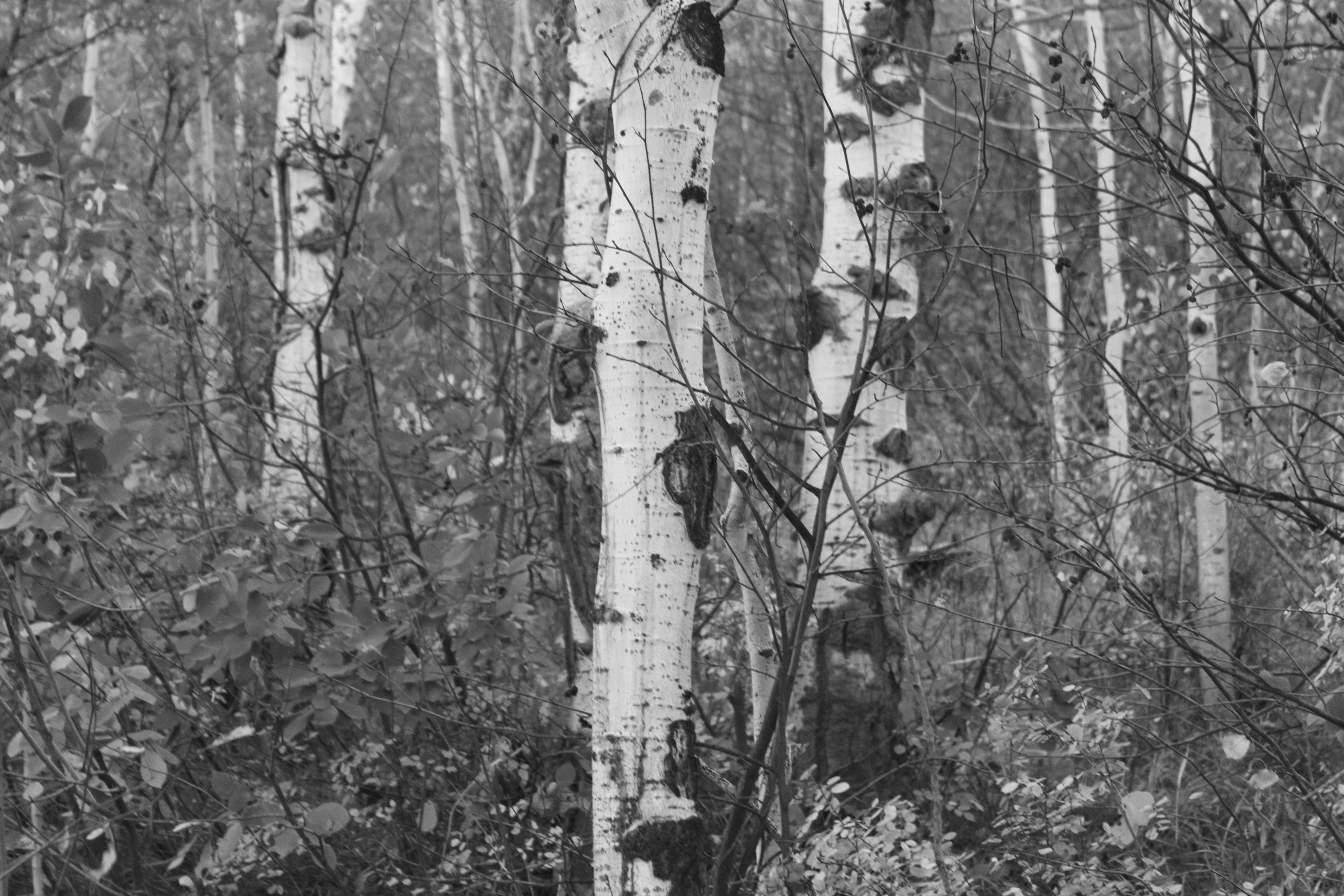
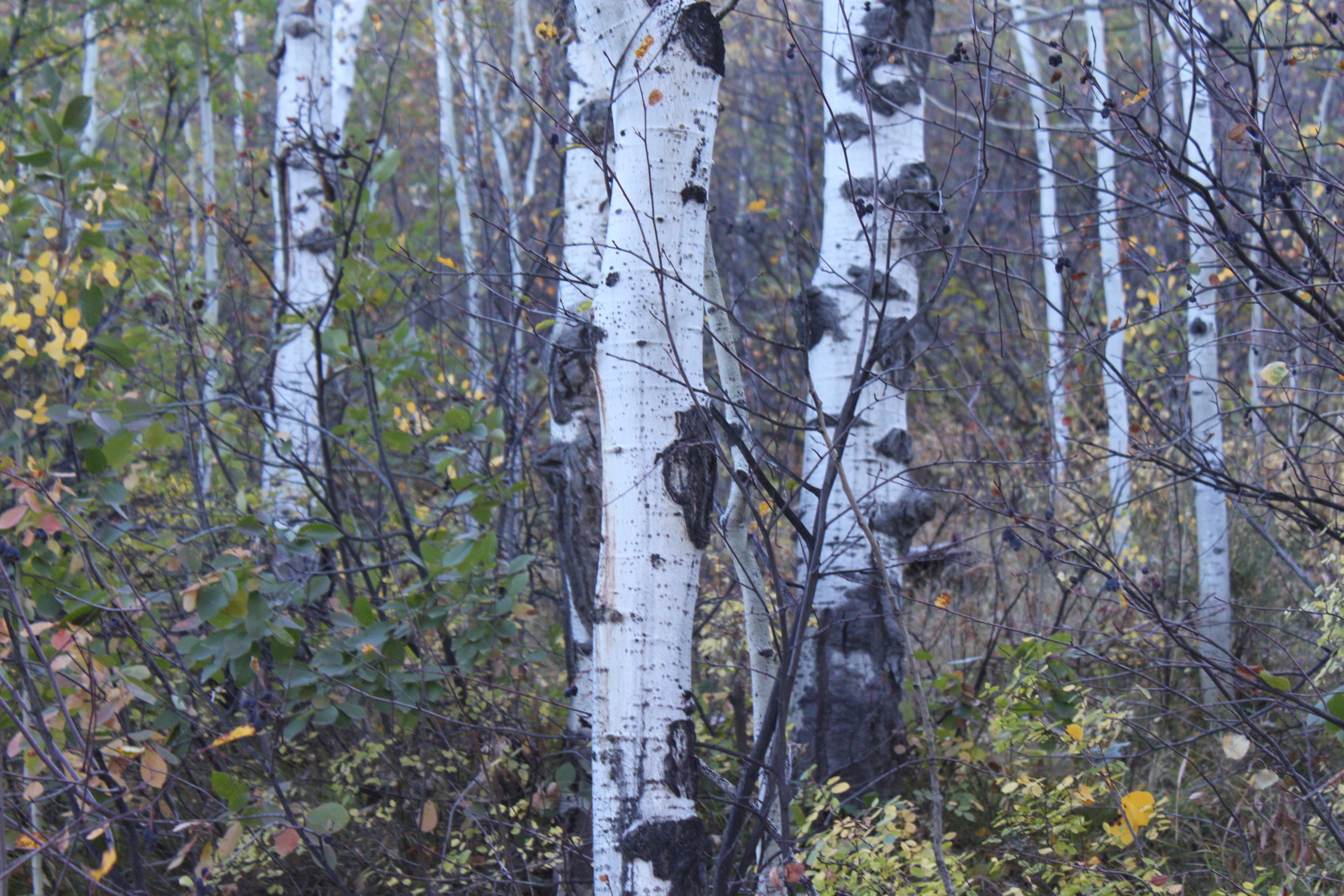
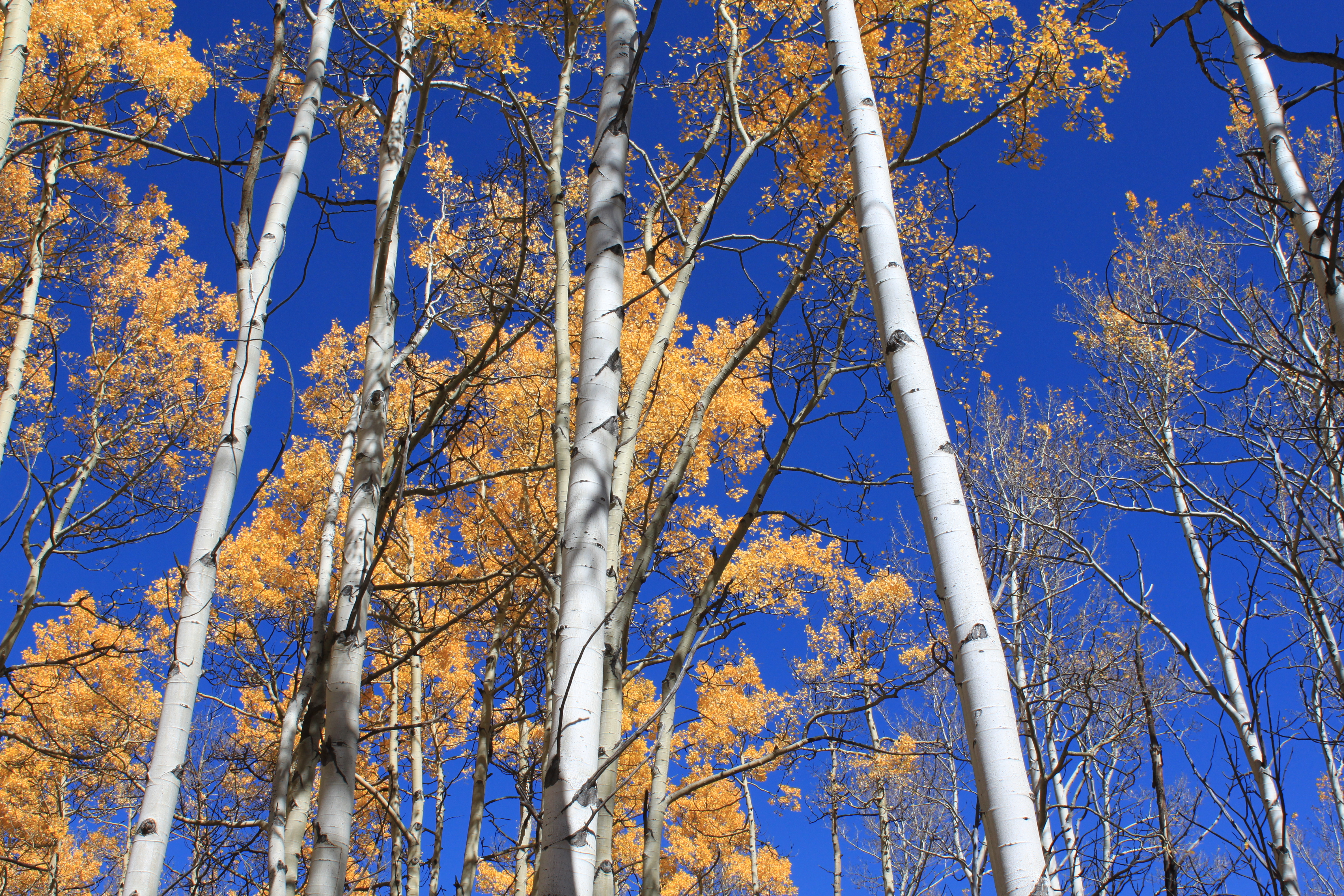
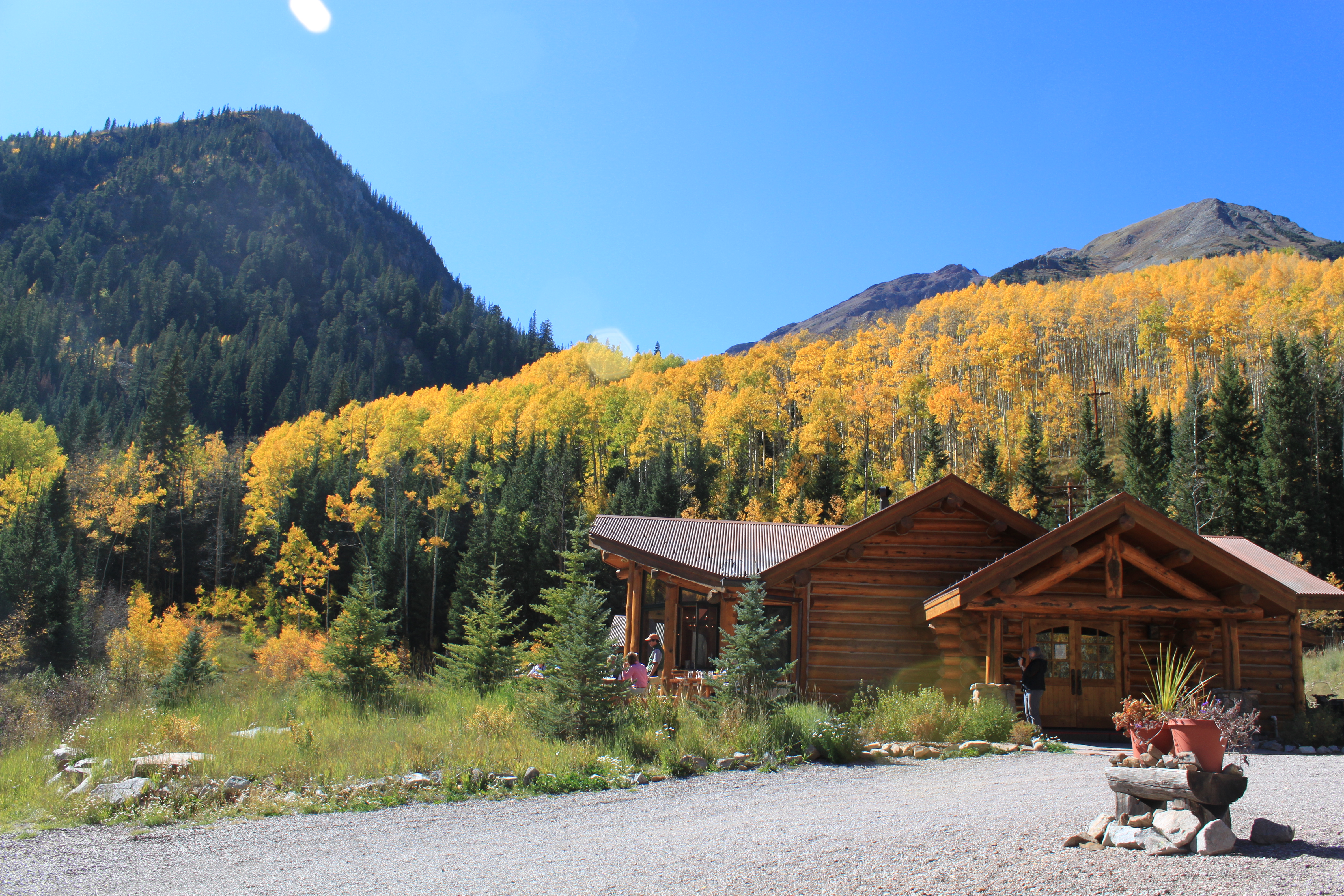
Fall is my favorite time of year. And in Colorado you reap the added benefit of the Aspen. The mountainsides are blanketed with hues of yellow, red and orange. And as the winds blow through an Aspen grove, you enjoy a wonderful symphony of sound that emanates from their trembling leaves. The constant motion of the Aspens aid the tree’s growth and is thought to increase the intake of air by the leaves and the rate of carbon fixation from the air’s carbon dioxide. Hence, the Quaking Aspens are known for their leaves turning spectacular tints of red and yellow in the Fall. The Aspen is the only deciduous tree on the mountainside in Colorado. In one acre of an Aspen forest, the trees can produce more than a ton of dry foliage. And where do the leaves go? The leaves are decomposed by nature’s own “FBI”–fungus, bacteria and invertebrates which promote the spectacular wildflower growth in the spring and summer.
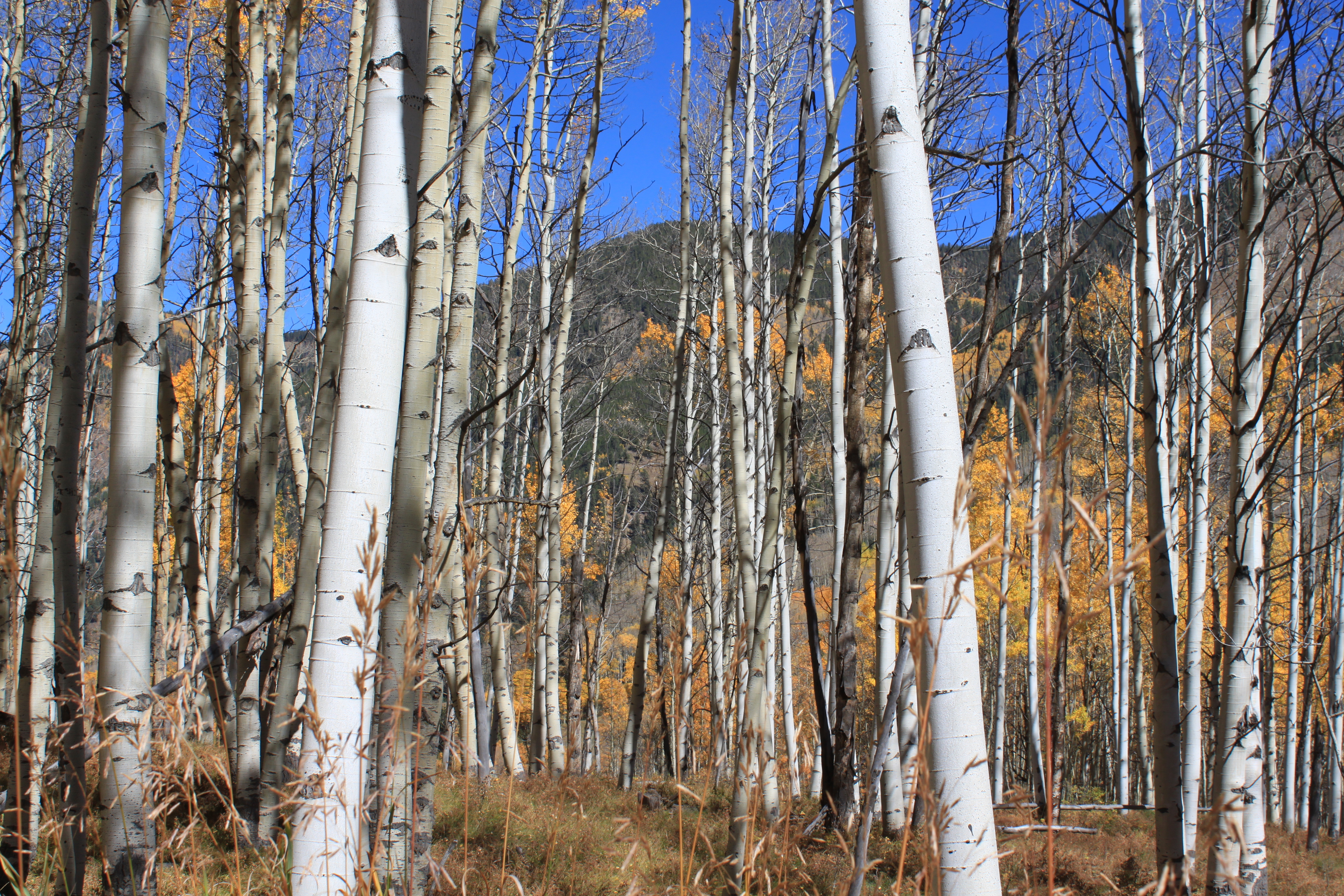
The Aspens grow in large colonies from a single seedling–one single organism and second to the largest—the Great Barrier Reef. They make you question the concept of a tree; only as a young seedling does the plant approximate a typical “tree” with a single trunk and a simple root system. As the seedling (referred to as an ortet) grows, it sends out lateral roots that may extend over 100 feet in many directions. These roots possess an enormous potential for suckering, that is, sending up shoots much like a potato does. Suckers grow into woody stems that superficially resemble individual trees. One seedling eventually expands to as many as 50,000 genetically identical stems arising from one parent root system, and may cover over 100 acres. Suckering is the primary method of aspen propagation. They build communities. The Aspen is nature’s greatest artist at work.


 inspiredbydi.com