
You do not have to go the workplace to see this productivity. It is happening right in my backyard. 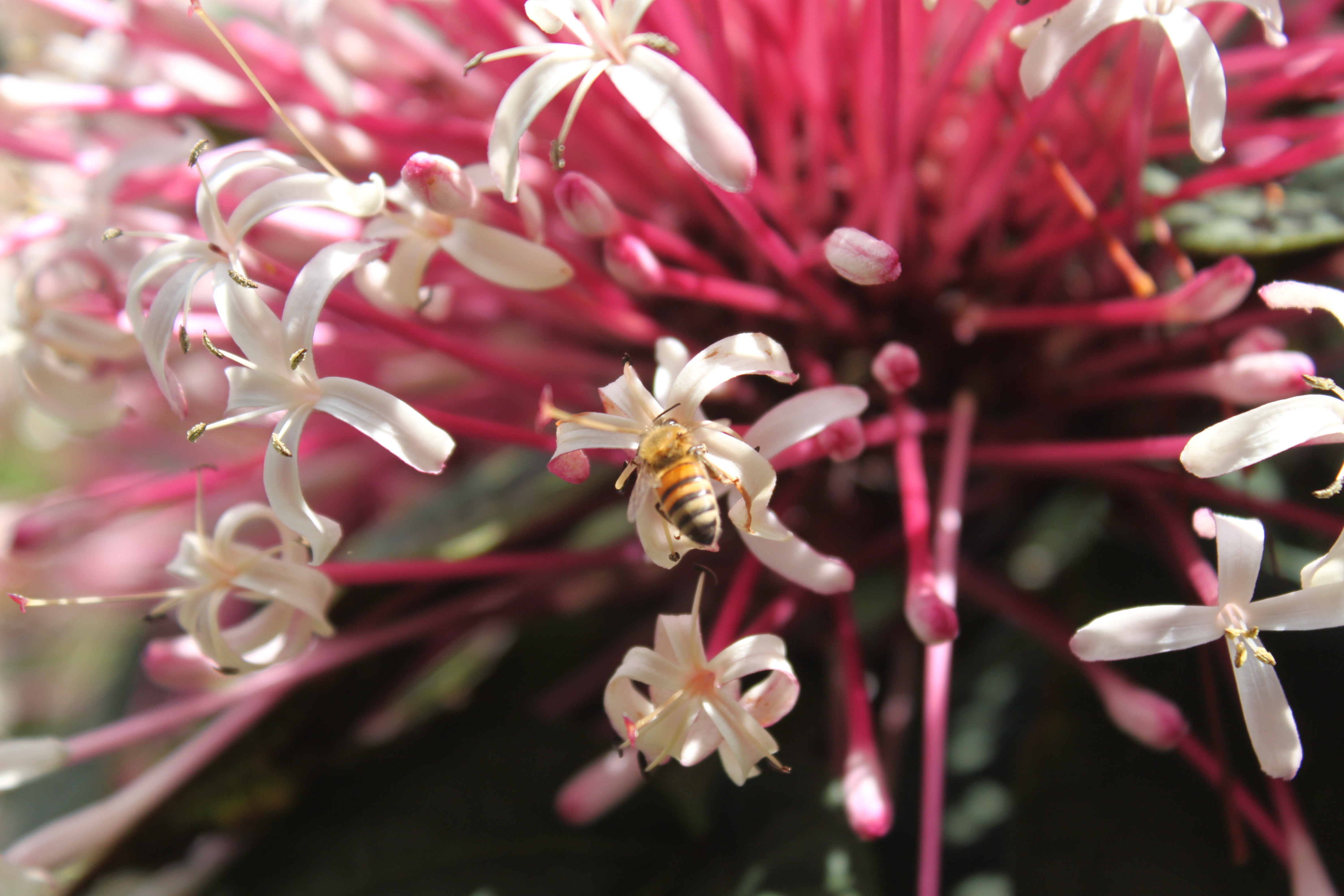
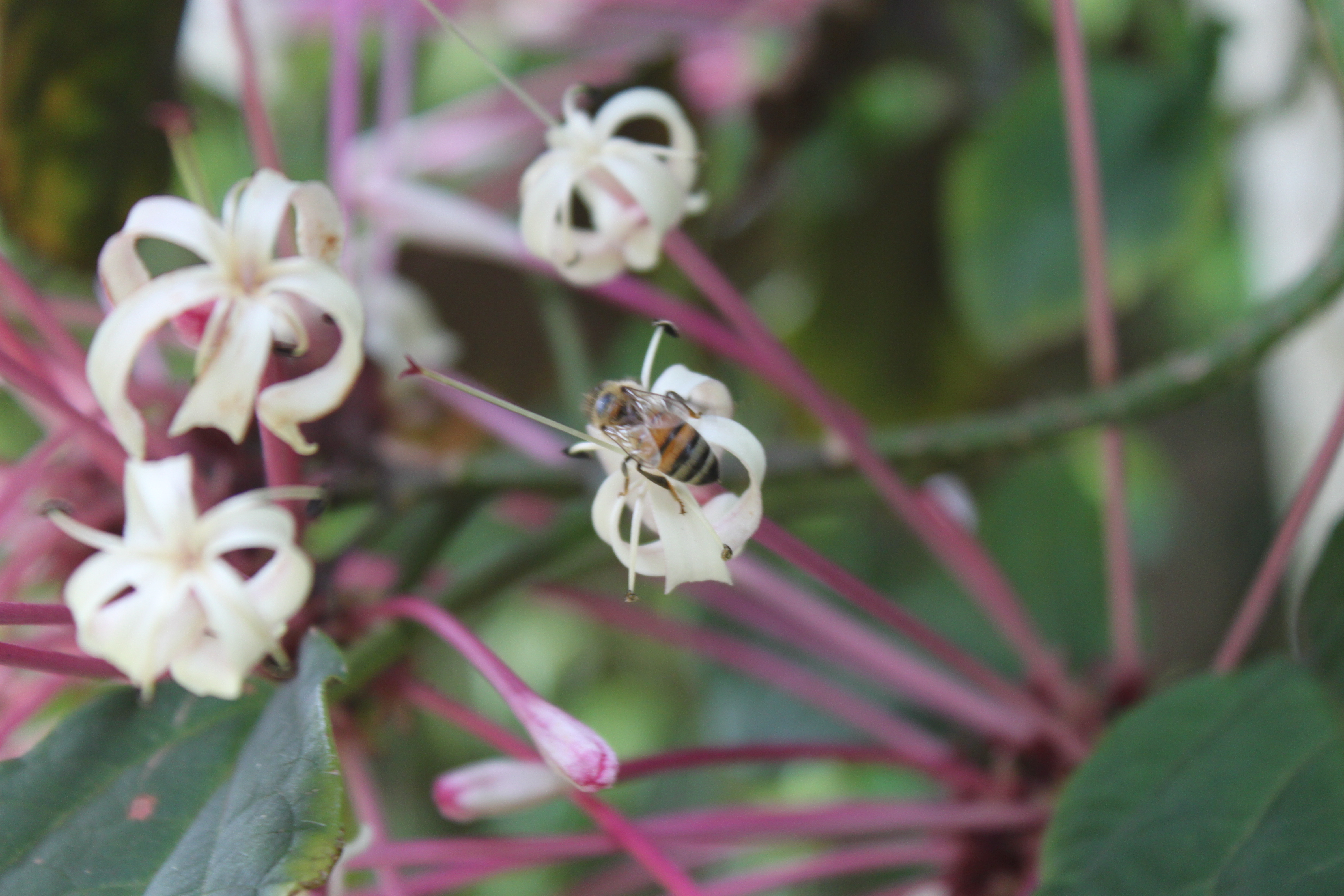
There is one queen in a hive and her main goal is to make more bees. She can lay over 1,500 eggs per day and can live 2-8 years. The drones are males and have no stinger. They live about eight weeks and their function is to mate with a new queen.
The Worker bees do all the different tasks needed to maintain and operate the hive. They are all sterile females. When young, they are called house bees and work in the hive doing comb construction, tending the queen and drones, cleaning, temperature regulation and defending the hive. The older workers are called field bees. They forage outside the hive to gather nectar, pollen, water and certain sticky plant resins used for hive construction. My yard is full of the field bees.
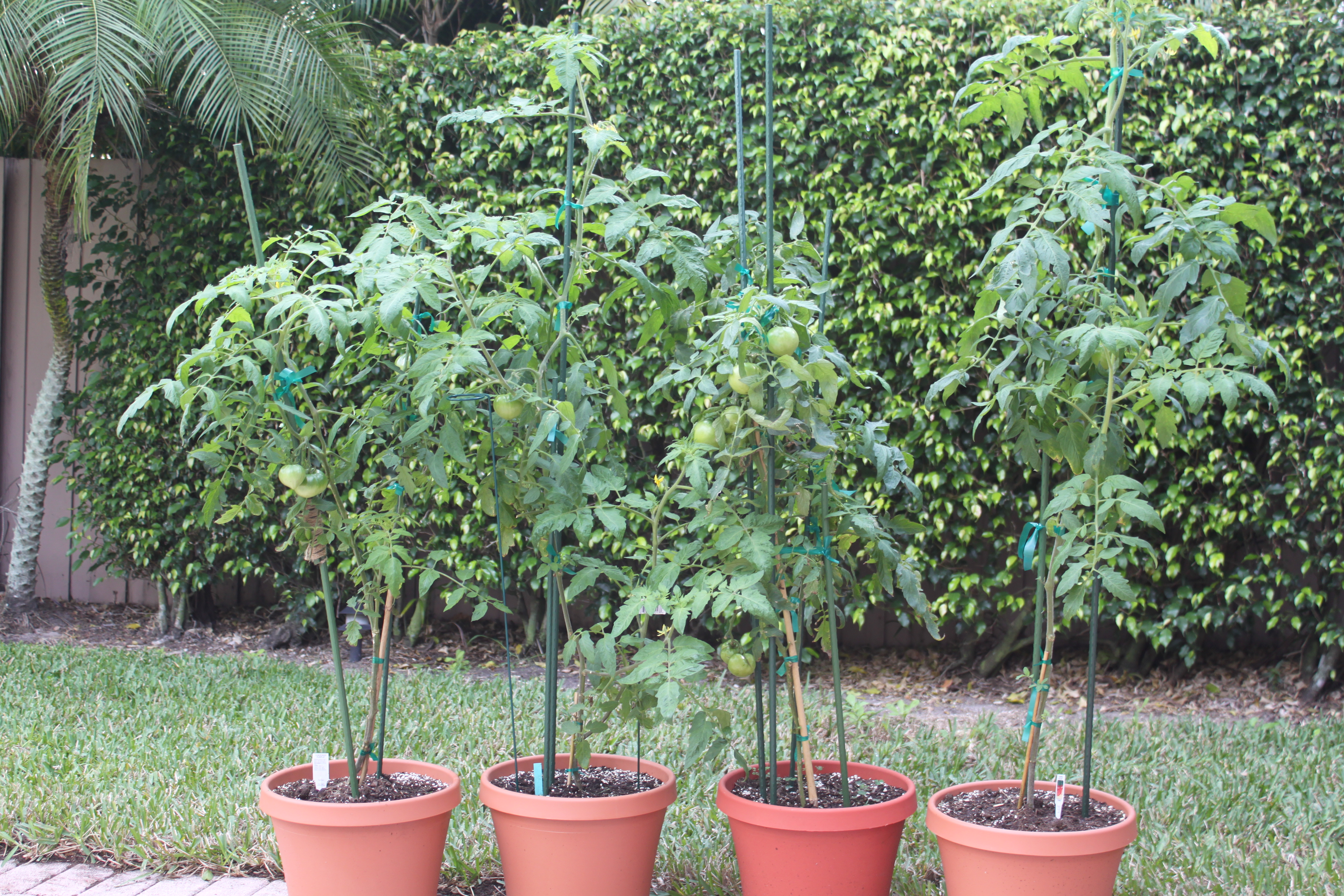
As the field bees forage for nectar, pollen sticks to the fuzzy hairs which cover their bodies. Some of this pollen rubs off on the next flower they visit, fertilizing the flower and resulting in better fruit production which is one of the reasons for my bumper tomato crop! Although the tomato plant is considered a self-pollinator, they benefit from the bee’s activity.
When a bee works a tomato plant, it pulls the flowers down into a vertical position and puts its fat belly against the stigma and buzzes. Pollen is released. It falls by gravity (since the flower is now tilting down) directly to the bee’s fuzzy (and statically charged) belly. The bee’s work below on a tomato blossom.



 inspiredbydi.com